



Composite Timber Decking at Reasonable Price In Sydney
The Sustainable Strength of Composite Decking
At Austek Home Improvements we offer you the complete guide to composite decking in Sydney and other areas near you.
So, if you are considering your next outdoor project and want to build the perfect outdoor living space, then we got you covered at Austek Home Improvements. From layout to design right through to budget – we have it all covered by our experienced team of builders who are here to take you through each and every step in your decking project.
In Sydney, composite timber decking is growing exponentially in popularity, and you’ll soon see why.
Let’s start with the Facts
You need to determine the best quality products for your space, at Austek Home Improvements we know all the pros and cons of decking materials.
We have different timbers, such as: pine, merbau, spotted gum and all other Australian hardwoods.
But you may also consider a new contender for your deck. An expertly designed and engineered solution, mixing wood fibre and plastic, composite decking does a lot of what timber does well, better. Giving you a deck in Liverpool that requires little to no maintenance.
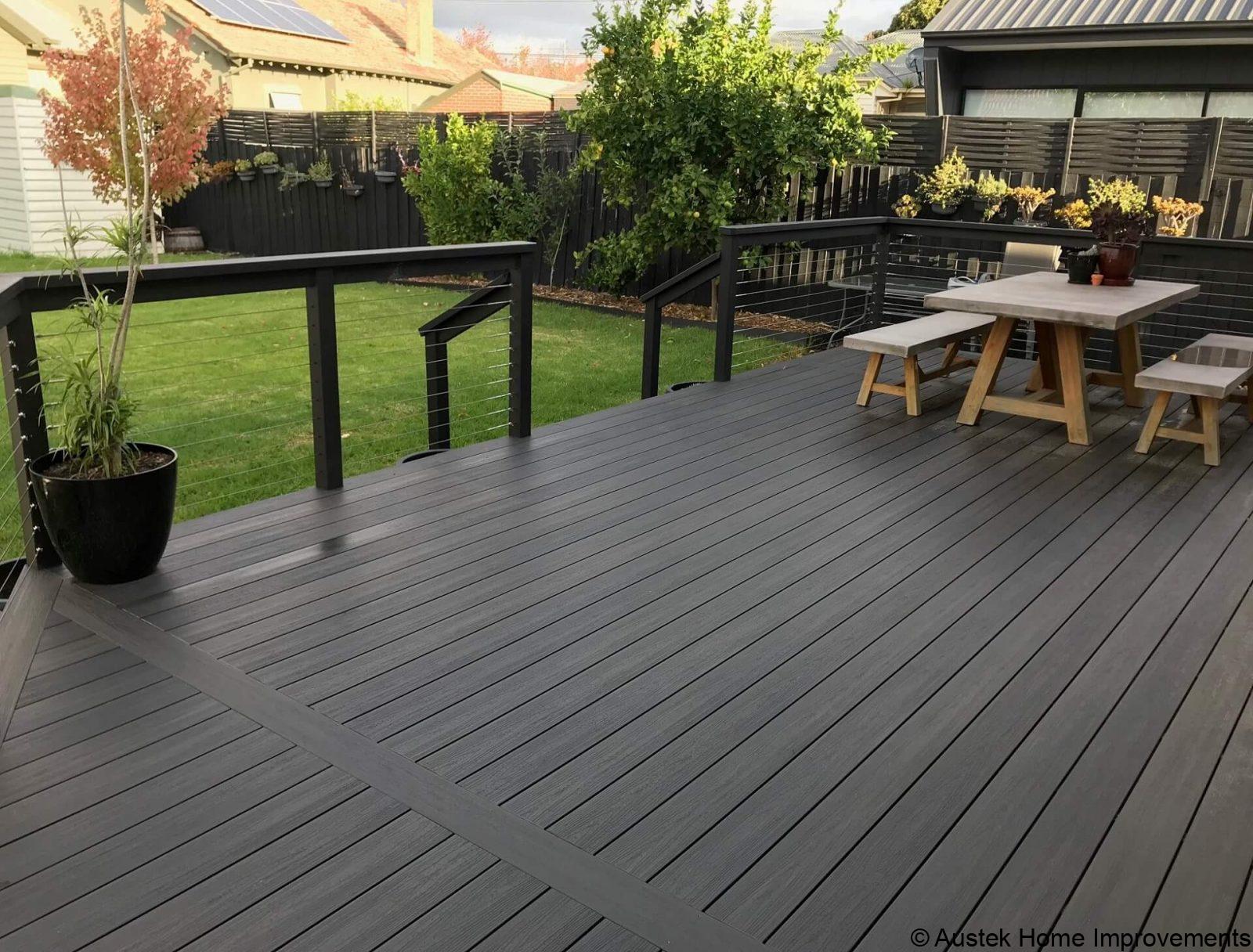
Is choosing composite timber decking over wood an appropriate choice?
There is a lot of reasons to select composite decking over wood for starters;
Maintenance –
- Composite timber decking is extremely minimal maintenance – no sanding or staining required the boards repel surface damage all on their own you can occasionally use an approved soap to give them a quick clean-up if needed. This simple wash will instantly restore the composite timber decking to its natural beauty.
- Premium hardwood has beautiful hues but can fade and weather overtime even with regular maintenance usually every 2 – 3 years not to mention the once a year sanding, staining, oiling, and sealing. This can be a very costly alternative when you add up Money, Labour & Time.
Sustainable –
- The production of composite decking is eco-friendly and sustainable, by using ground wood particles and resin. A lot of wood can be recycled in this way.
- Composite timber offers a variety of colours and won’t fade and weather overtime.
- Premium Hardwood usually lasts around 10-15 years whilst Composite timber decking is covered by 30 years fade & stain warranty.
- All Premium Timbers can rot overtime and foot traffic, crack, rot, fade, and weather not to mention they can be prone to mould, mildew, and white ants aka termite damage. Composite timber decking repels mould, mildew, and white ants because the composite timber has a strong barrier protecting it, you won’t need to worry about it warping, rotting, or cracking it is the perfect all-rounder.
- Premium Hardwood timber has a lifespan of 10-15 years if it has been meticulously maintained it may get 20 years maximum.
- Premium Hardwood timber may have a minimum 2-3 years warranty at best.
- Composite Timber has a 30-year Fade and stain warranty, your deck will stay beautiful and safe for decades to come.
- All Premium Timbers can rot overtime and foot traffic, crack, rot, fade, and weather not to mention they can be prone to mould, mildew, and white ants aka termite damage. Composite timber decking repels mould, mildew, and white ants because the composite timber has a strong barrier protecting it, you won’t need to worry about it warping, rotting, or cracking it is the perfect all-rounder.
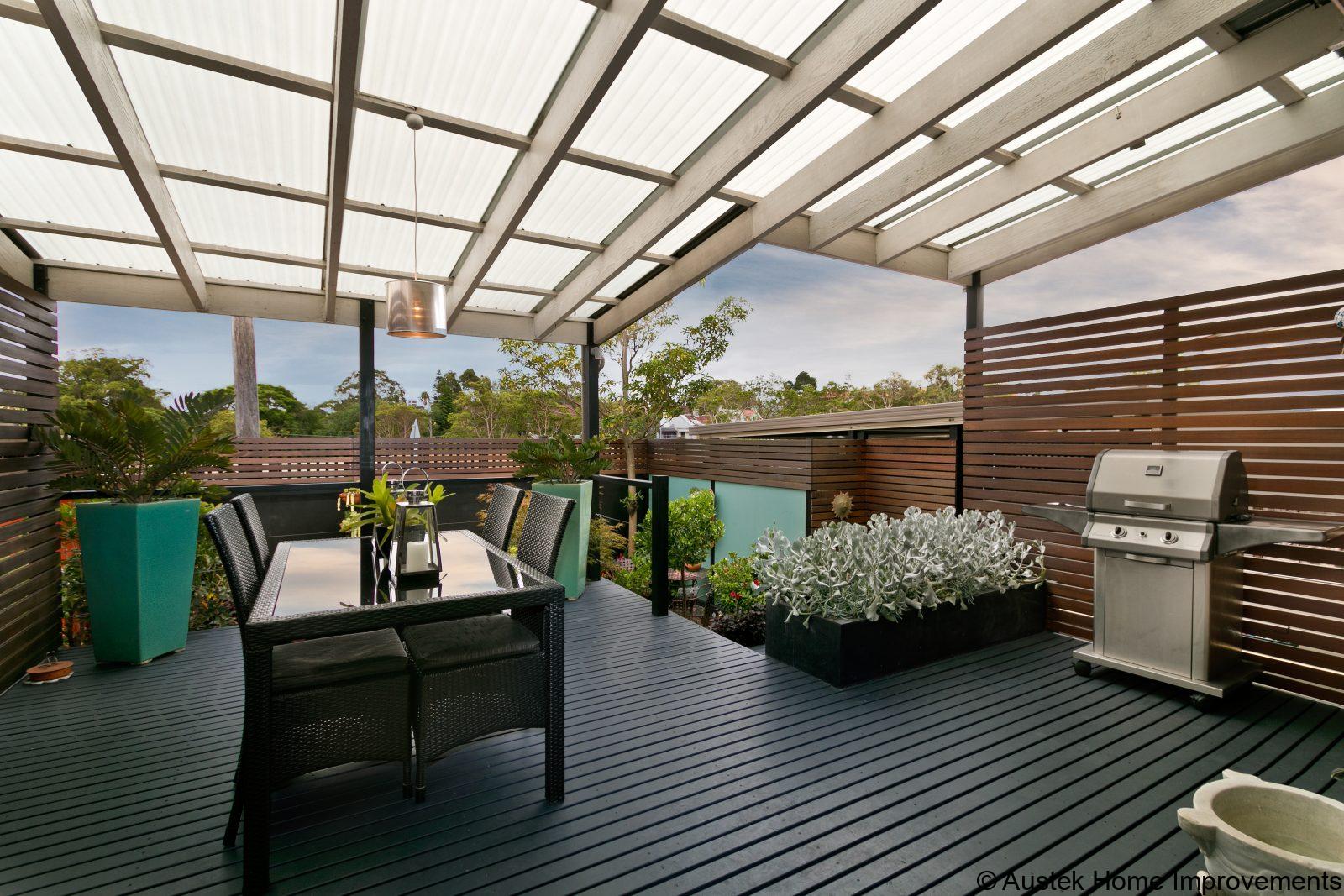
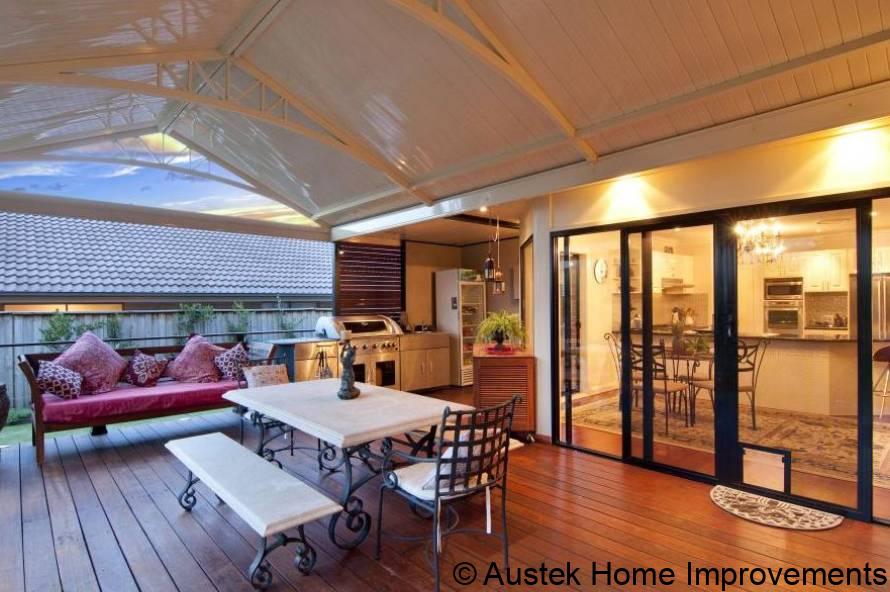
What else to consider
There are also some things that you should consider when deciding upon the material, structure and size of your deck. For instance:
- Will your deck be in a location with strong sun or shading? – If your decking will be in the line of direct sunlight, chances are it will absorb more heat and the colour will fade faster. For this reason, consider choosing a lighter coloured composite decking that won’t hold in the heat. You might also consider installing a pergola over it or an awning.
- What is the average temperature of your location? – Alternatively, if location is really cold you might want to opt for a darker colour to hold in more heat in the wood. It is also important to mention this to the experts behind the construction and installation of your deck in case extra advice is required in selecting the right composite decking blend for you.
- Do you get a lot of rain or snow? – If your area is likely to get wet, and often, it will probably be good to steer clear from smooth surfaced composite decking that can be slippery once it becomes wet.
- What other amenities do you want in your deck? – It can be easy to think of a deck as just a flat raised surface, but there is so much you can achieve by using a deck in Liverpool as part of a design tool. You could build up steps with the deck, or install some into the side, or have a cut out section for a fountain, hot tub or pool.
Other Services
Austek Home Improvements was started to give customers a more personalised yet professional service and has been supplying and installing quality home improvements for 30 years.
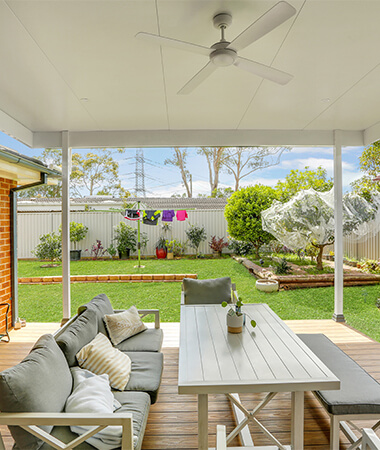
Austek Home Improvements insulated patio roof panels for sale provide superior comfort throughout the year with cooler summers and warmer winters. They provide great shelter against the sun’s strong rays, as well as wind and rain. Keeping you dry and out of the direct lines of harsh UV. Our Colorbond insulated roof panels also reduce the sound and movement resulting from wind, rain, hail and storms. Insulated roof panels also dramatically reduce construction times and site mess for a simpler, and more streamlined installation process.
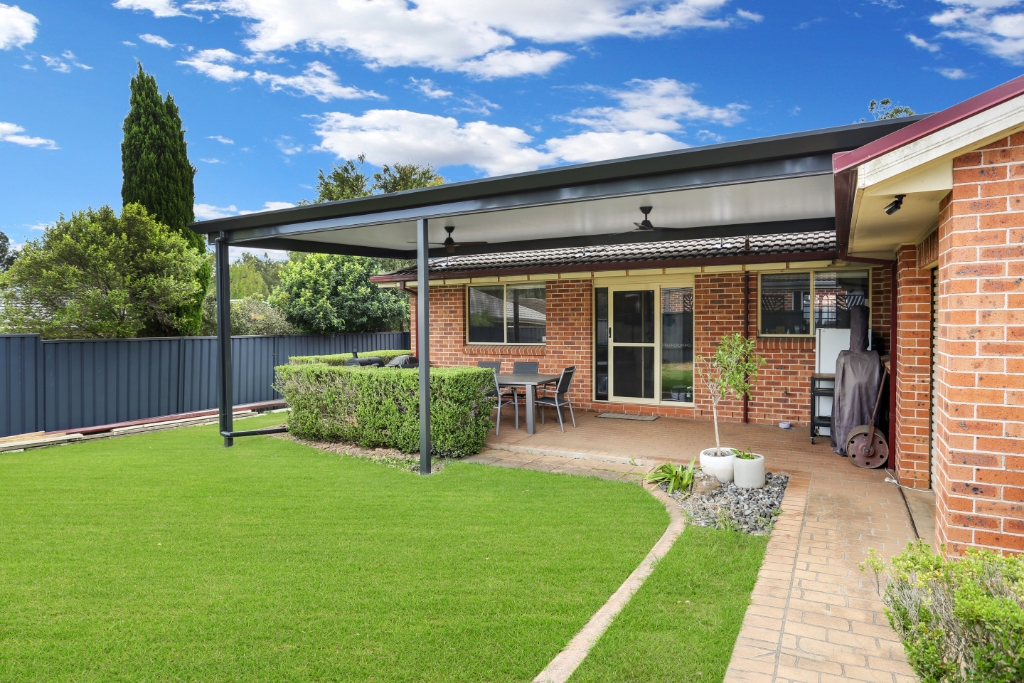
Individually designed Austek Home Improvements patio awnings and pergolas will enhance your lifestyle; whether it’s a Sunday brunch or Saturday night drinks and whether you have a lavish bungalow in the country or a lavish house in the bustling locality of Western Sydney. You’ll enjoy every moment under your Austek Home Improvements pergola or outdoor awnings at your Sydney home.
Providing extra space all year round and protection from the elements, with the option of insulated roof panels, colorbond roofing, polycarbonate roofing or a combination of all three, you will have all the light and sun required to enjoy summer and winter all year round for many years to come.
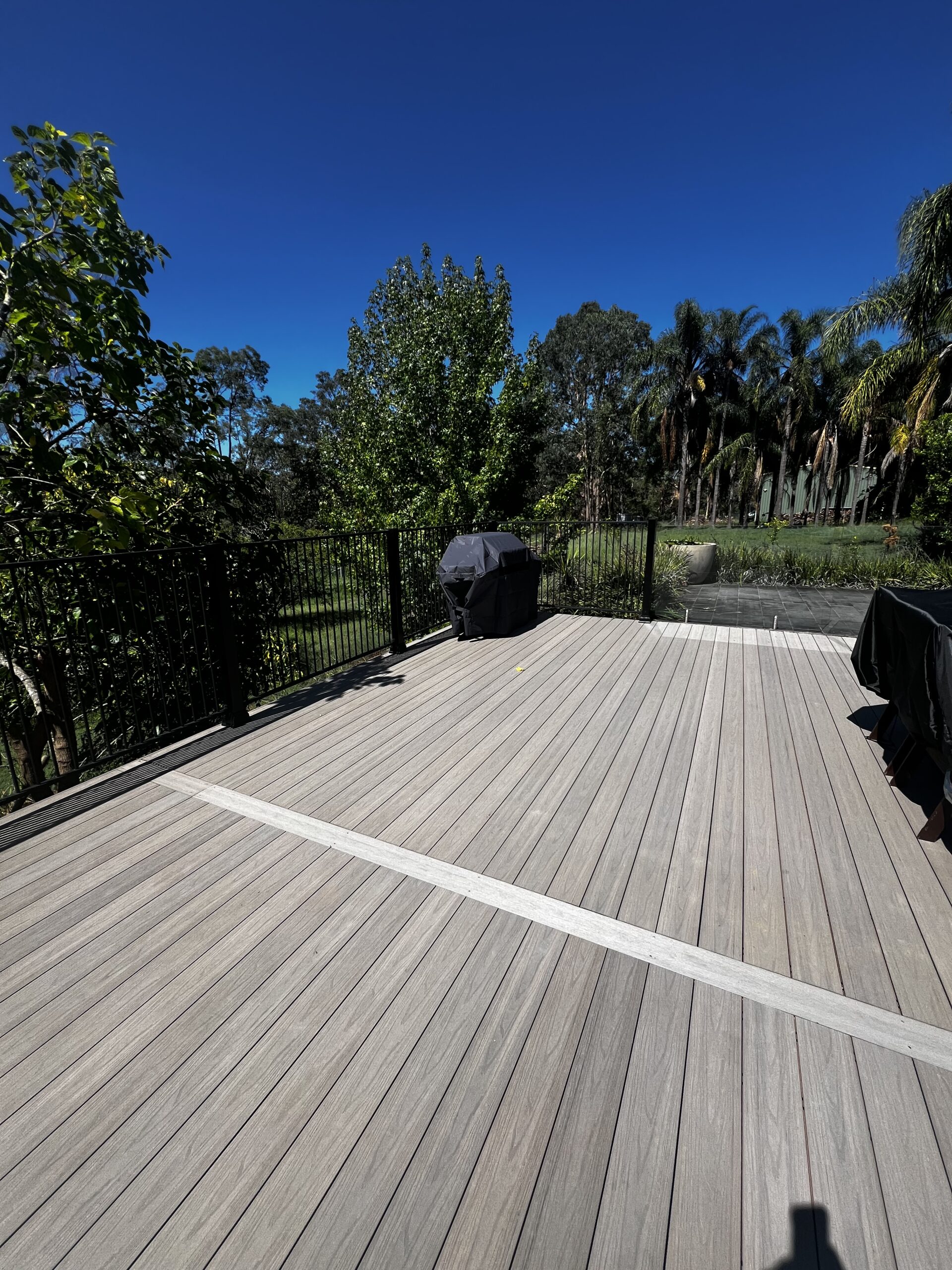
Austek Home Improvements is a well-known deck builder in Sydney, Australia. All Austek Home Improvements timber decks are built with the highest craftsmanship in mind and the best premium materials available. There is no better way to relax than by watching the sun go down on your beautifully crafted Austek Home Improvements timber deck.
Our deck builders in Sydney are renowned for the care and attention to detail from inspecting the location you wish the deck to be installed, guiding you in choosing premium materials, design, construction and installation.
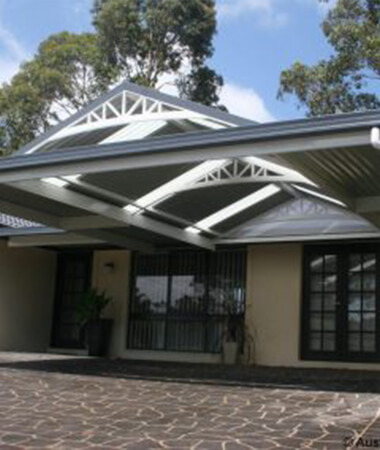
We, at Austek Home Improvements, one of the leading carport installers, offer carports products, design, and installation expertise which are well known in the building industry.
Carports can bring great value to your property for several reasons, such as shelter, entertaining, security and storage. They help protect your car from sun, rain, wind and snow. Installed with a remote-controlled door, they also add extra security to your car by providing a barrier to interrupt theft and vandalism.
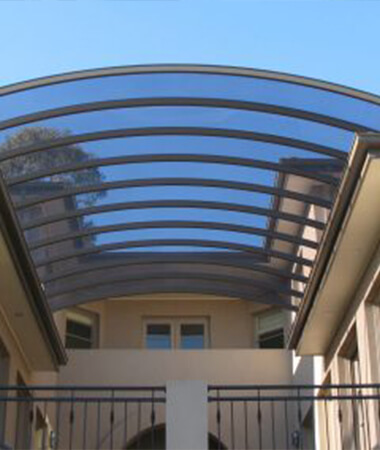
Austek Home Improvements can install Polycarbonate Roofing in your Sydney home which will block out 99.9% UV rays & heat. Whether using a traditional corrugated profile or multi-layer profile in the market, your family will benefit from high-quality and low maintenance glazing premium material that performs exceptionally well in the harsh Australian climatic conditions.
Polycarbonate roofing has been increasing popular in Sydney, and there are a lot of reasons why. Polycarbonate is a material that can look a lot like glass because of its smoothness and high levels of transparency, but while the premium material allows light to pass through, it blocks UV and heat out. Polycarbonates make the perfect roofing for your pergola, carport or patio for those enjoy the outdoors and the natural light of the sun but not the headaches or sunburns it can give.
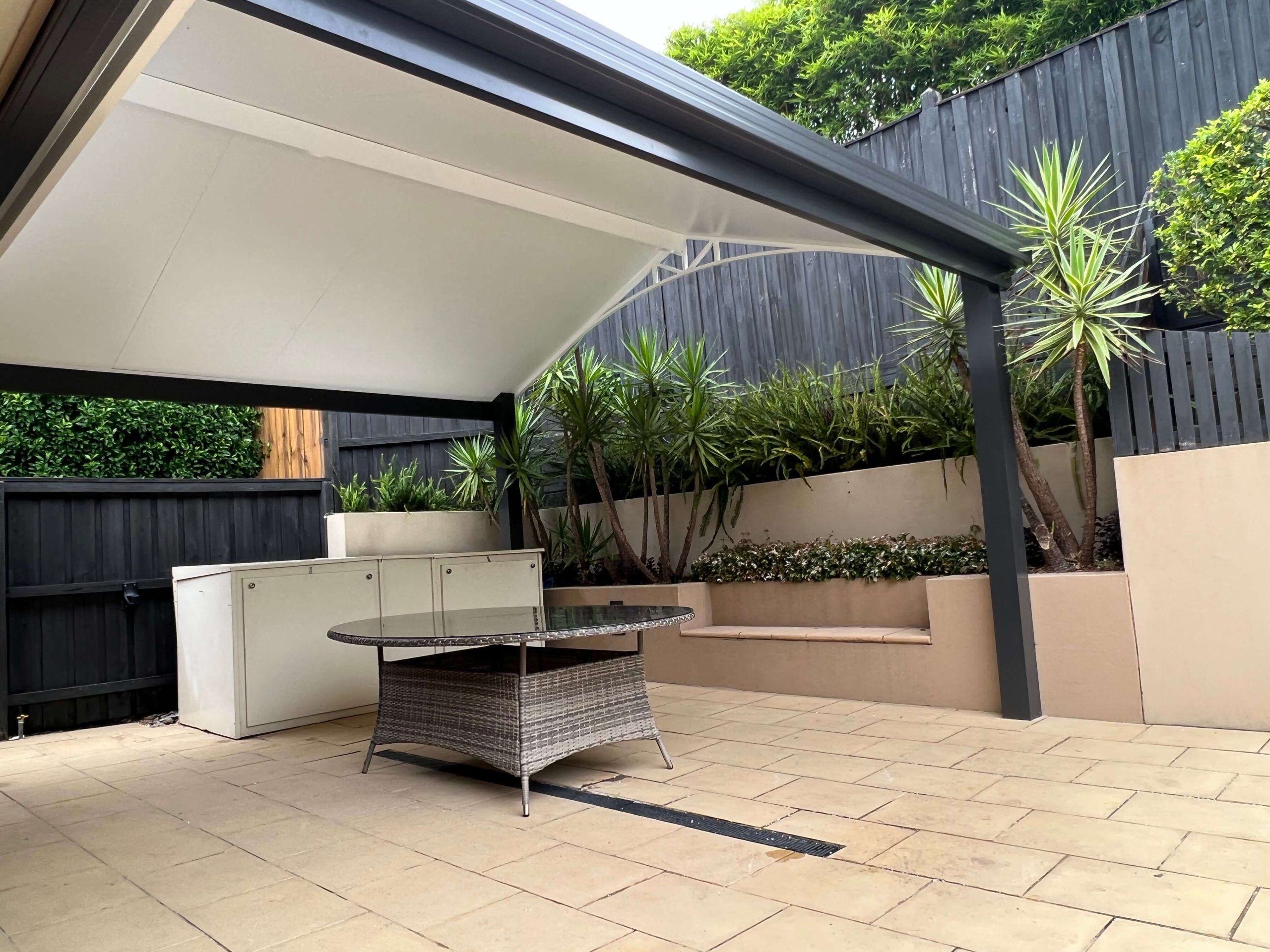
Awnings keep the glare off your window and help you create more comfortable spaces in your property, both inside and out. Our home improvement builders at Austek can create attractive and durable awnings for your house or business.
FAQs
What is the downside of composite decking?
Higher upfront costs (around 30-50% more than timber) are considered a downside of composite decking; however, the material is extremely resistant to termites, rot, mildew, and mould. Cheaper composite decking also lacks the “natural” look of timber, and its colour will fade in the first few months, but it is environmentally friendly (made from 90% reclaimed timber and recycled plastics) and won’t suffer the same effects from chlorine and moisture as timber decking, making it ideal for use around a pool. Finally, if left in direct extreme heat, the boards can warp, so some form of shelter over the composite decking is recommended.
Is composite decking better than timber decking?
Composite decking is neither better nor worse than timber decking; your choice between the two depends on environmental factors, as well as your budget. Timber is generally cheaper overall and holds up better in direct sunlight (so no need for a roof if you don’t want one), but composite decking doesn’t splinter, making it an especially safe option for homeowners with pets or children who like to run around.
Is a composite deck cheaper than wood?
Not at first. A composite deck, on average, will involve higher installation costs. That said, the deck will require less maintenance over time, and it will not require painting, sealing, staining, oiling, or varnishing at all. In fact, to clean the boards, all you’ll need is warm, soapy water and a high-pressure hose.
How much should composite decking cost per m2?
With professional deck installation, including subframe materials and fasteners, a composite deck should cost about $250 to $450 per square metre. Of course, cheaper material options will decrease this, as will opting for DIY installation. Making use of premium capped boards will up the cost, but the increased durability is often well worth it as the years roll on.
How much should I expect to pay for a composite deck?
On average, a 20m2 composite deck will cost between $16000 and $40000 for professional installation, with most homeowners opting for a spend of about $25000. Premium capped boards will cost a bit more, but provide greater longevity. Low-grade boards will cost less, but may not provide the “natural” look of timber, which many customers prefer.